

Omega-3 fatty acids are essential for maintaining optimal health, playing a crucial role in various physiological processes, including inflammation regulation and cardiovascular function. Among the different sources of omega-3, fish, particularly fatty marine species, are recognized as the most bioavailable and effective in providing the body with EPA and DHA. While plant-based sources offer omega-3 in the form of ALA, the conversion to EPA and DHA is limited, making fish a superior option for boosting these vital nutrients. This article explores the health benefits of omega-3, highlighting the importance of including fish in our diet or considering supplementation for those who don’t eat fish regularly.
Why Omega-3s Are So Important for Your Health
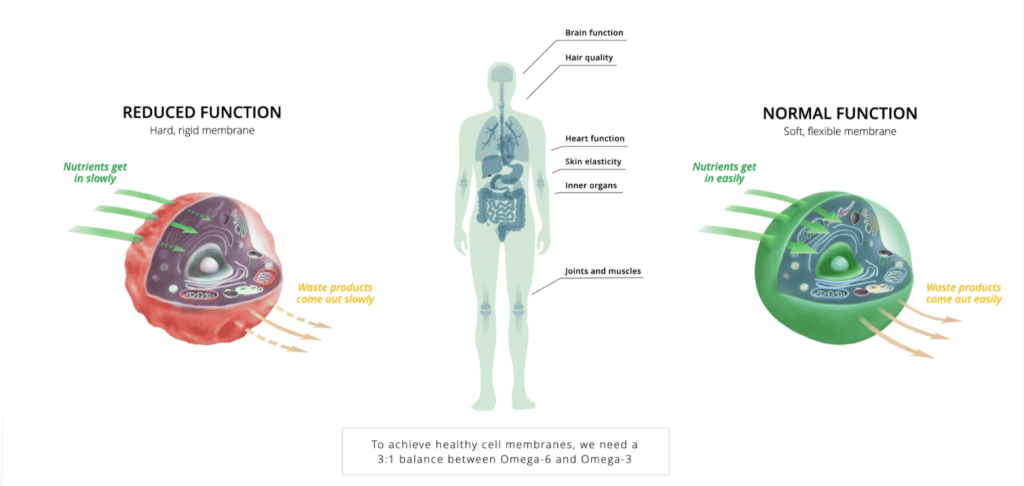
In addition to their structural functions, omega-3 fatty acids serve as an energy source and precursors of eicosanoids – signaling molecules that regulate a wide range of physiological processes (e.g., in the cardiovascular, respiratory, immune, and hormonal systems). Details on the mechanisms of action of omega-3 fatty acids can be found in the article “Are You Getting the Right Fats for Your Health?”
It is important to recall that the metabolic products of EPA and DHA (e.g., resolvins, protectins) promote the resolution of inflammation, while the eicosanoids derived from omega-6 (e.g., arachidonic acid) tend to exacerbate inflammation and platelet aggregation (the clumping of platelets to form clots, which can increase the risk of cardiovascular diseases). Maintaining an adequate level of EPA and DHA in tissues, therefore, favors a balance between pro- and anti-inflammatory responses in the body. Studies suggest that increasing EPA/DHA levels in the blood is more beneficial for health than reducing omega-6 intake when it comes to preventing chronic inflammatory and cardiovascular diseases.
Why Fatty Fish Are the Best Source of Omega-3
Fatty marine fish are widely regarded as the most valuable source of omega-3 in the diet. They contain significant amounts of EPA and DHA, unlike plant-based sources that mainly provide alpha-linolenic acid (ALA). While the human body is capable of converting ALA into EPA and DHA, the efficiency of this conversion is very low – estimated to be less than 15% (some analyses suggest only about 5% conversion to DHA). This means that the most effective way to increase EPA and DHA levels in the body is through direct consumption of these fatty acids from food or supplements.
Marine fish do not synthesize these fatty acids themselves – in fact, EPA and DHA are produced in marine algae, which serve as food for the fish. This means that marine fish accumulate omega-3 fatty acids in their bodies by consuming phytoplankton, algae, and other marine microorganisms that naturally contain high amounts of omega-3. The highest levels of EPA and DHA are found in cold-water fatty fish such as salmon, mackerel, herring, sardines, and tuna. In contrast, lean fish (such as cod or pollock) and seafood have much lower omega-3 content. Consuming about two portions of fatty fish per week (each about 100 grams) meets the average person’s needs for long-chain omega-3s and is recommended for the prevention of chronic diseases.
But why are fatty fish so important? An essential advantage of fish as a source of omega-3 is the presence of additional components that may influence the bioavailability of these fatty acids. Studies have shown that omega-3s are better absorbed when consumed alongside fat.
Omega-3 from Fish vs. Plants and Algae
Plant-based sources such as flaxseeds, chia seeds, walnuts, or canola oil provide shorter-chain omega-3, ALA. While ALA has its own health benefits, its biological conversion to EPA and DHA is limited. In practice, only a small portion of ALA from the diet is converted into the active forms of omega-3, meaning that the cellular effects of ALA cannot replace the benefits derived from consuming ready-to-use EPA and DHA.
For individuals who do not eat fish, an alternative can be marine algae. Supplements made from microalgae oil, which mainly contain DHA (sometimes with added EPA), are available and serve as a vegan alternative to fish oil. Studies suggest that omega-3s from algae are incorporated into blood phospholipids as effectively as those from fish, although products made from algae are often more expensive and less accessible. However, it’s important to note that of all the sources, fish and fish oil provide the most bioactive form of omega-3, ready for immediate use by the body. To maintain optimal EPA and DHA levels, experts recommend a diet rich in fish or supplementation with fish oil, rather than relying solely on ALA.
Should You Take an Omega-3 Supplement?
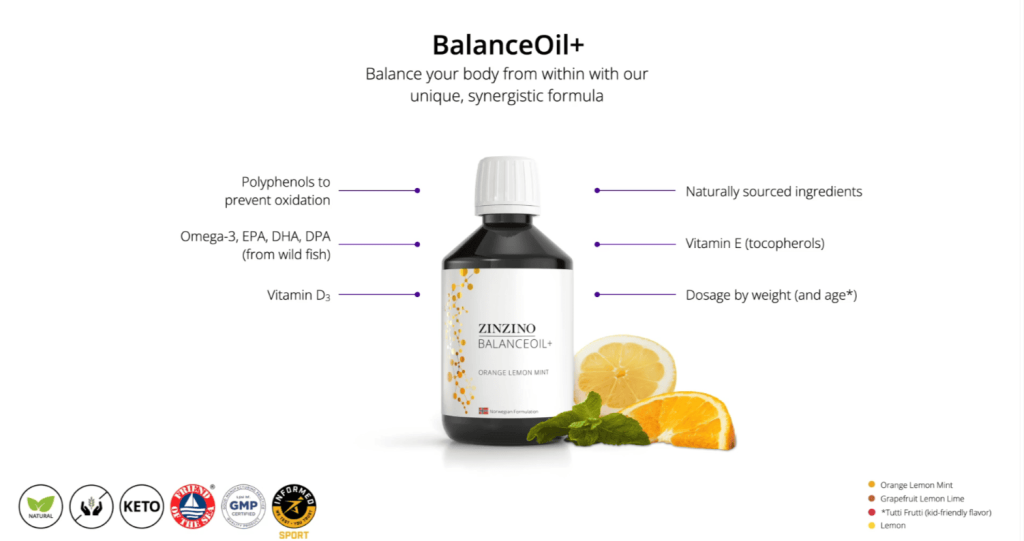
Supplementation with fish oils is common, especially for those who do not consume fish regularly. Research has shown that even small doses of supplements (about 250–500 mg of EPA+DHA daily) can increase the levels of these fatty acids in the blood and tissues. It is important to note that the bioavailability of omega-3s from supplements (e.g., in the form of fish triglycerides or ethyl esters) is high – after consumption, there is rapid hydrolysis and absorption of over 90% of the fatty acids present. When choosing a supplement, it’s important to pay attention to its composition (preferably high concentrations of EPA and DHA), chemical form, and purity (certification for the absence of contaminants such as heavy metals).
The Bottom Line: Fish-Based Omega-3s Work Best
There are significant differences in the bioavailability of omega-3 fatty acids depending on their source and chemical form. These differences are fundamental to the effectiveness of supplementation, as higher bioavailability directly leads to better utilization of omega-3s by the body.
Analysis of American scientific studies clearly confirms the superiority of omega-3s derived from fish over other sources. The higher bioavailability, limited conversion from plant precursors, and documented health benefits make marine fish and their derivatives the most effective sources of EPA and DHA. In light of widespread omega-3 deficiencies in the American population, conscious supplementation with omega-3s from fish represents a crucial element of health prevention, particularly in relation to cardiovascular diseases.
Get acquainted with the products we recommend that support health and well-being
References
- American Heart Association. (2024, August 23). Fish and omega-3 fatty acids.
- Bhatt, D. L., Steg, P. G., Miller, M., Brinton, E. A., Jacobson, T. A., Ketchum, S. B., Doyle, R. T., Juliano, R. A., Jiao, L., Granowitz, C., Tardif, J. C., & Ballantyne, C. M. (2019). Reduction in cardiovascular events with icosapent ethyl. New England Journal of Medicine, 380(1), 11–22.
- Hu, F. B., Bronner, L., Willett, W. C., Stampfer, M. J., Rexrode, K. M., Albert, C. M., Hunter, D., & Manson, J. E. (2002). Fish and omega-3 fatty acid intake and risk of coronary heart disease in women. JAMA, 287(14), 1815–1821.
- Mazza, E., et al. (2020). Differential anti-inflammatory effects of EPA vs DHA in obesity-related chronic inflammation. Atherosclerosis, 315, 90–98.
- Muldoon, M. F., Ryan, C. M., Sheu, L., Yao, J. K., Conklin, S. M., Manuck, S. B., & Glynn, N. W. (2010). Randomized trial of docosahexaenoic acid for the treatment of Alzheimer disease. Alzheimer’s & Dementia, 6(5), 456–464.
- Office of Dietary Supplements. (n.d.). Omega-3 fatty acids – Fact sheet for health professionals. National Institutes of Health.
- Shahar, E., Folsom, A. R., Melnick, S. L., Tockman, M. S., Boland, L. L., McGovern, P. G., & Eckfeldt, J. H. (2012). Dietary n-3 PUFA and cognitive decline: The Atherosclerosis Risk in Communities Study. Neurology, 78(2), 92–101.